When contemporary gallery Heidi moved its entire operation from Berlin to London in September 2026, it wasn't simply swapping one fashionable art capital for another.
Founder Pauline Seguin pointed to London's growing community of younger galleries, its concentration of collectors and its appetite for experimental contemporary art. Meanwhile, rising property pressures, shrinking cultural budgets and a more challenging commercial environment were making Berlin a tougher place from which to operate.
The story highlights something every artist and independent gallerist should be thinking about:
Where does your art business actually live?
Increasingly, the answer shouldn't be confined to a physical gallery, studio, art fair or exhibition.
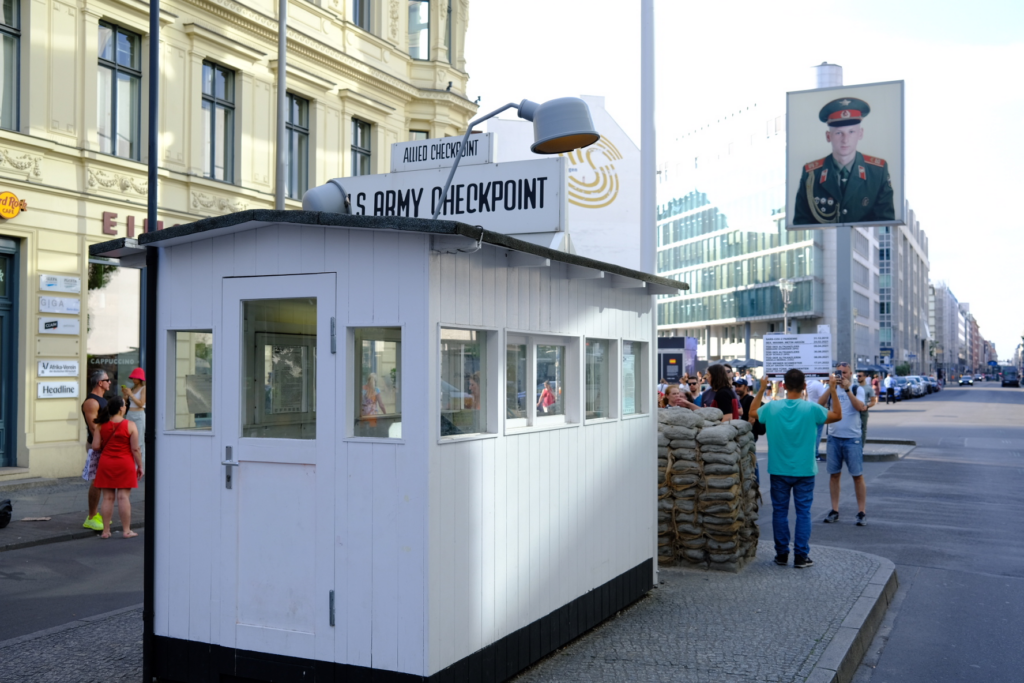
There is something uniquely powerful about seeing art in person.
Collectors can experience scale, texture and context. Artists can meet audiences. Gallerists can start conversations that would be difficult to recreate entirely online.
Heidi's decision to move to London's Maddox Street demonstrates the continuing importance of location. The gallery specifically wanted to benefit from London's density of collectors and wider gallery ecosystem. Its first London exhibition features painter Brook Hsu, while the gallery is also participating in Frieze London.
But physical spaces come with limitations.
People have to be in the right city, on the right street and usually there at roughly the right time.
Your digital gallery doesn't.
Think about an exhibition opening. Perhaps 100 people visit during the evening. Some already know the artist. Others discover the work for the first time.
Then everyone goes home.
Without a strong digital presence, much of the momentum created by that exhibition can disappear with them. A collector who discovers your work should be able to find you again easily. They should be able to explore other artworks, understand the thinking behind them, follow what you're doing and contact or buy from you directly.
That means thinking of your physical gallery and digital gallery as one continuous experience. The exhibition creates discovery.
Your online gallery continues the relationship.
Many artists understandably turn first to Instagram and other social platforms. They're valuable tools for discovery, but they aren't really your gallery.
Algorithms determine what people see. Your work competes with thousands of other posts. Platforms can change their rules, reach and features overnight.
Online art marketplaces present a similar challenge. Your artwork appears alongside countless other artists and the marketplace owns much of the collector relationship.
A more resilient approach is to build a digital home that you control. That is exactly the philosophy behind LettsArt.
LettsArt is no-code Art Intelligence software for artists and gallerists, providing tools to create and manage their own online galleries rather than requiring them to operate inside somebody else's marketplace.
The goal is simple: give artists and gallerists greater control over how their work is presented, shared and sold directly to collectors.
A useful way to approach your online presence is to stop thinking of it as a website. Think of it as an exhibition that never closes - your physical exhibitions might change every few weeks or months. You may exhibit at an art fair, take part in an open studio weekend or show work in another country.
Your online gallery connects all of those moments together - it becomes the place where somebody who discovers you today can come back tomorrow.
And unlike a physical gallery, it can be visited by someone in London, Berlin, New York or Tokyo at exactly the same time.
1. Make sure you have a digital home you control
Social media should lead somewhere. Give collectors a clear destination where they can explore your work without distraction.
2. Treat every exhibition as an audience-building opportunity
Add your gallery URL to exhibition materials, QR codes, business cards, email signatures and social posts.
Don't just encourage visitors to see the exhibition. Give them a reason to stay connected afterwards.
3. Tell the story behind the work
Collectors often want more than an image and a price.
Explain the ideas, materials, process or experiences behind your work. Context helps audiences develop a deeper connection with it.
4. Keep your gallery alive between exhibitions
Add new work, collections, updates and stories regularly.
A gallery that changes encourages people to return.
5. Build direct collector relationships
Where possible, encourage people to follow your work and communicate with you directly.
An audience you can reconnect with is one of the most valuable assets an artist or gallery can build.
Heidi's move from Berlin to London shows that geography remains important in the art world. Galleries still benefit enormously from being close to collectors, artists and other galleries.
But geography no longer needs to define the limits of an art business.
The strongest approach increasingly combines both worlds.
Use physical spaces to create memorable experiences.
Use digital tools to extend those experiences beyond the room.
Because ultimately your gallery isn't just where your art hangs.
It's wherever somebody discovers it, explores it and decides they want to know more.
***************************************************
Not using LettsArt? Why not sign up today? It’s powerful software for artists to show, manage and distribute their art online. Perfect for artists with zero tech skills, our no-code, AI software lets you take control of your online presence and build sustainable success through direct sales.
To sign up to LettsArt (it’s FREE!) go to www.LettsArt.com.
***************************************************
LettsArt is no-code Art Intelligence software designed for artists and gallerists who want to create and manage their own online gallery, build an audience and sell work directly to collectors.
No. LettsArt is software rather than a marketplace. Artists and gallerists create their own digital gallery and retain control over how their work is presented and promoted.
Yes. The two can complement each other. Your physical gallery or exhibitions can introduce people to your work, while your LettsArt gallery gives them somewhere to continue exploring it afterwards.
Social media can be an excellent discovery channel. The key is to use it to bring people towards a digital space you control rather than relying on the social platform as your entire online presence.
It gives collectors a permanent place to discover your work, learn more about you, follow your activity and potentially purchase work directly.
No. LettsArt is built as no-code software, allowing artists and gallerists to create and manage their gallery without having to build or maintain a conventional website.

