
The Whitney Museum of American Art in New York is currently celebrating Pop Art pioneer Roy Lichtenstein with Like New, a major retrospective running until May 2027.
Featuring around 130 works, the exhibition explores how Lichtenstein transformed comic strips, advertising and everyday imagery into extraordinary art. His distinctive style challenged conventional ideas about originality, reproduction and artistic value.
But the exhibition also raises questions that today's artists and gallerists will recognise. Who owns an image? What makes art original? And how can artists retain creative control in an increasingly digital world?
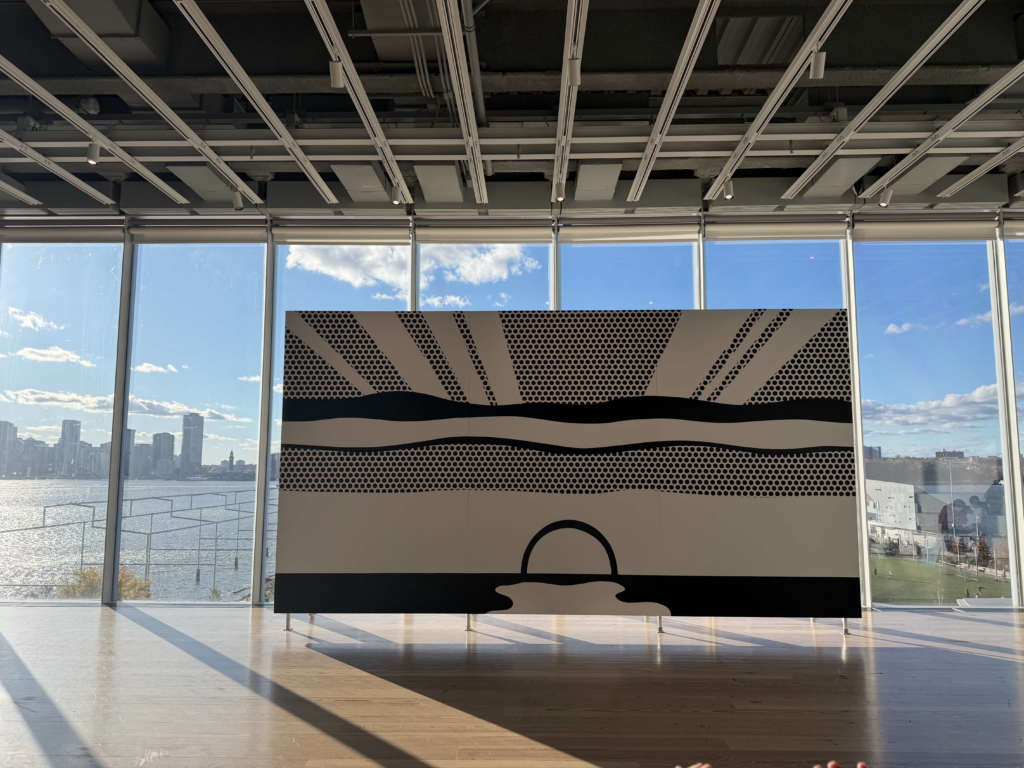
From Pop Art to AI-generated images
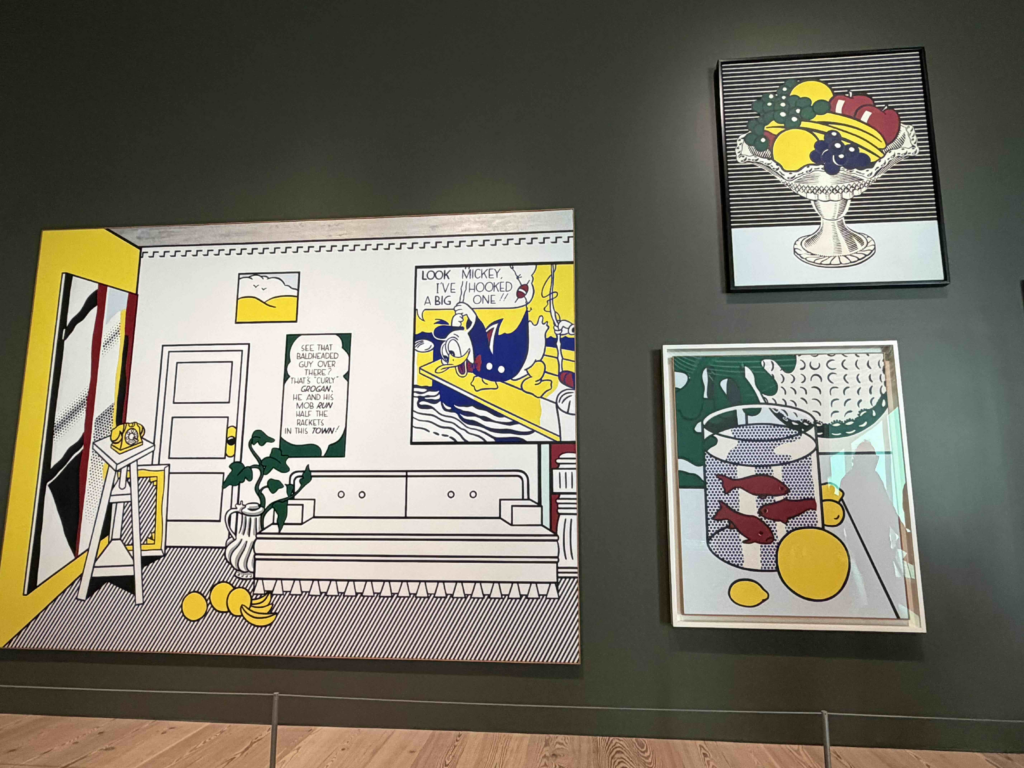
When Lichtenstein began transforming comic-book illustrations into large-scale paintings in the 1960s, he challenged the boundaries between commercial imagery and fine art.
His signature Ben-Day dots mimicked mechanical printing, yet his compositions were carefully crafted. He demonstrated that originality isn't necessarily about inventing something entirely new, but about transforming familiar images through a distinctive creative vision.
Today, artificial intelligence can generate images in seconds, while social media distributes artwork globally. The challenges are remarkably similar: how do artists establish originality, protect their identity and stand out from millions of competing images?
Lichtenstein's work offers a useful perspective. Technology can transform the creative process, but artistic identity comes from the ideas and decisions behind the work.
Why owning your digital gallery matters
Social media offers artists enormous opportunities to reach new audiences, but it also limits their control over how their work is presented and discovered. That's where LettsArt comes in. Our no-code Art Intelligence (AI) software designed for artists and gallerists to build their own online galleries, manage collections and sell art directly to collectors.
Rather than relying entirely on social media algorithms or third-party marketplaces, artists can create a branded digital space, share their creative stories and build direct relationships with followers.
It's about using technology to support artistic independence.
Five practical lessons for artists and gallerists
- Build a gallery you control. Create your own online gallery with LettsArt rather than relying solely on social media to showcase your work.
- Tell your creative story. Explain the influences, techniques and ideas behind your artwork. Use LettsArt's AI-assisted descriptions to help communicate your creative process.
- Curate meaningful collections. Organise related artworks by theme, style or subject to help visitors understand your artistic vision.
- Connect directly with collectors. Encourage visitors to follow your gallery and receive updates about new artwork and collections.
- Experiment without losing your identity. Explore AI and digital tools to support your creative business while maintaining control over your original work.
The future belongs to artists who control their work
Lichtenstein challenged how art was created, reproduced and experienced. Six decades later, artists are navigating similar questions in the digital world. His legacy reminds us that technology should serve creativity, not define it. With LettsArt, artists and gallerists have the tools to build their own galleries, develop an audience and take control of their creative future.
Your art. Your gallery. Your future.
***************************************************
Not using LettsArt? Why not sign up today? It’s powerful software for artists to show, manage and distribute their art online. Perfect for artists with zero tech skills, our no-code, AI software lets you take control of your online presence and build sustainable success through direct sales.
To sign up to LettsArt (it’s FREE!) go to www.LettsArt.com.
***************************************************
Frequently Asked Questions
What is Roy Lichtenstein: Like New?
A major retrospective at the Whitney Museum of American Art in New York, exploring Lichtenstein's career, creative process and influence on visual culture.
When is the exhibition?
The exhibition runs from October 2026 to May 2027.
Why is Lichtenstein relevant to digital art and AI?
His work questioned originality, reproduction and artistic ownership - themes central to contemporary digital and AI-generated art.
How can artists protect their creative identity online?
By maintaining a distinctive portfolio, documenting their original work and creating an online gallery where they control its presentation.
How does LettsArt help artists and gallerists?
LettsArt provides no-code software to build online galleries, organise collections, grow a following and sell artwork directly to collectors.
Can I create a LettsArt gallery for free?
Yes. LettsArt offers a free Starter plan, allowing artists to create and manage their own digital gallery.