
Here are two London shows that reward an hour of your time and then echo for days.
At Serpentine South, Peter Doig has turned the galleries into a listening room that you can walk through. House of Music (10 Oct 2025–8 Feb 2026) mixes recent paintings with an audiophile-grade sound system that hums with selections from artists and collectors; on Sundays, the space activates with “Sound Service,” live listening sessions that make the pictures feel scored rather than merely hung. The gambit suits Doig’s sensibility: his best canvases already work like songs, melody first (those unmistakable color chords), then the lyrics emerge (the lone figure, the stray light, the memory you can’t place). Seeing them while sound blooms in the room makes the déjà vu explicit: the images feel remembered as much as seen. Go because the show isn’t just “paintings on walls”; it’s a study in how atmosphere alters looking, and because this is Doig’s return to the Serpentine three decades after his early London breakthroughs. Bring a friend who thinks painting is quiet and watch the work sing.
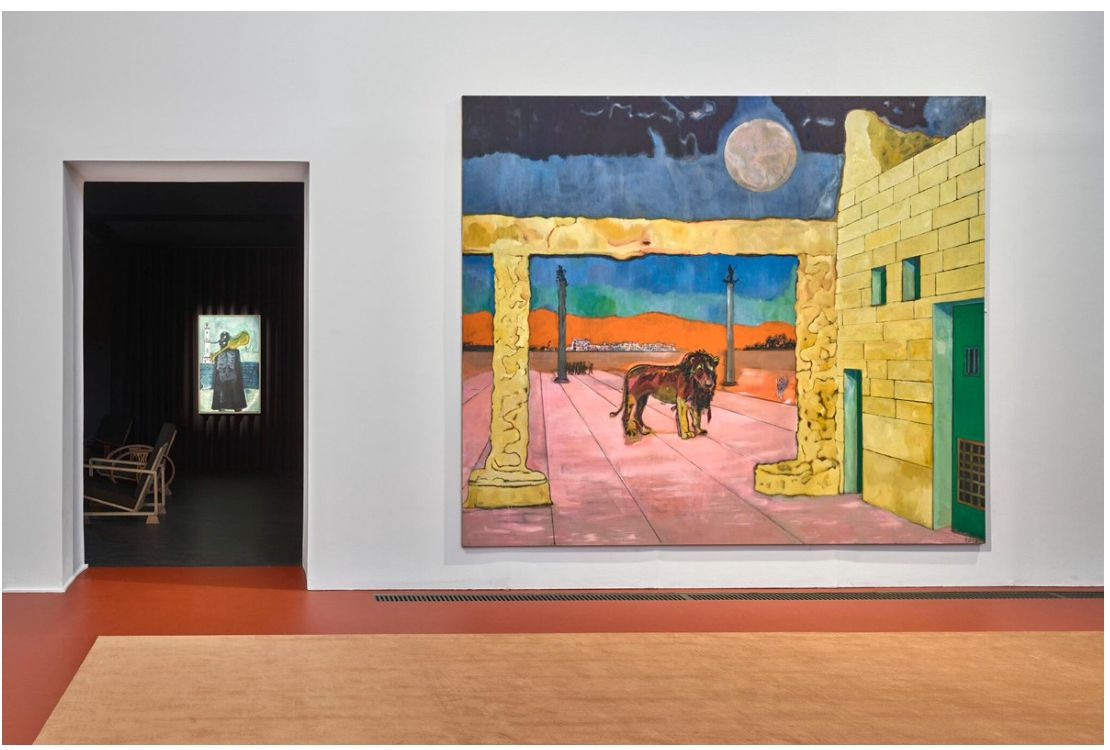
Doig’s biography helps you tune your ear. Born in Scotland, raised in Trinidad and Canada, long resident in London, he’s a painter of crossings: ferries, skaters, cricket fields, night swimmers, figures suspended between here and elsewhere. The palette owes something to Caribbean light, the mood to northern winter, and the structure to cinema; he paints the feeling of remembering a film you once loved. That’s why the audio matters: it gives the pictures a temporal spine. You’re not just looking at an image; you’re inside the duration of it. If you can slip in before it closes on 8 February, do and if you can’t make a Sunday activation, the standard installation still hums with that latent soundtrack.
Across town at Gagosian Grosvenor Hill, Richard Avedon’s Facing West (15 Jan–14 Mar 2026) pulls a hard focus on the series that remade him: In the American West (1979–84). Curated by the artist’s granddaughter, the show brings rare prints including works unseen since their 1985 debut, back into the public eye. Forget the parade of couture and celebrities that defined Avedon’s early legend; here the studio is the open road, the seamless white backdrop is dragged into sunlight, and the sitters - drifters, laborers, ranch hands - meet your gaze head-on. The pictures are unflinching, but never cruel. Their power lies in formality: frontal pose, bright ground, large-format detail that renders a face like a map you can read without a legend. Go because you think you already know Avedon then let the West clear your head.
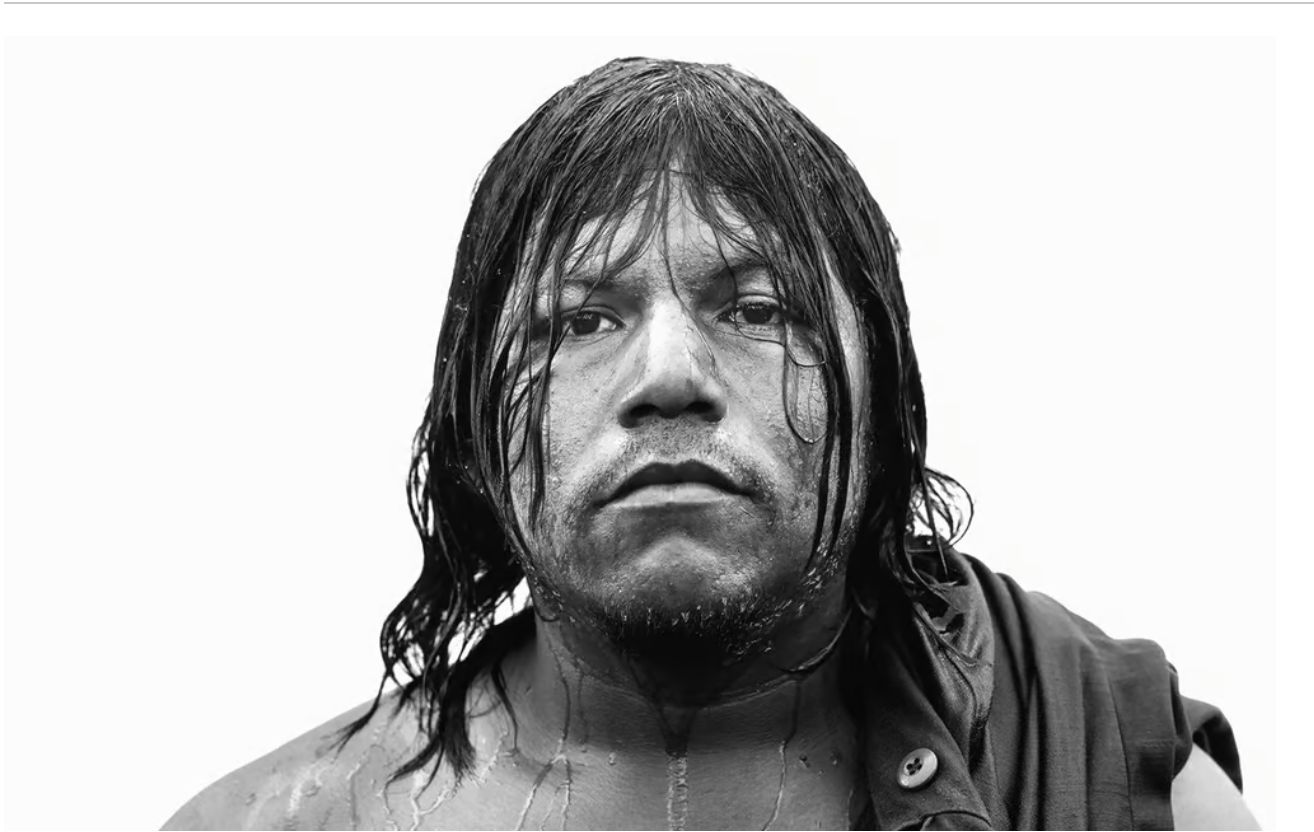
Avedon’s own pivot is the story. Born in New York, famed for inventing a kinetic fashion language at Harper’s Bazaar and beyond, he spent five years traveling through 21 states with an 8×10 camera, paring away glamour until he hit bedrock. The pictures ask for time: the longer you stand, the less the label “portrait” suffices and the more you start to notice the negotiation between sitter and artist, myth and reality, pride and fatigue. In an era of performative candor, their compositional discipline feels almost radical.
Why these two together? Because each tests what an exhibition can do with the simplest means. Doig adds sound to make painting feel like weather you inhabit; Avedon subtracts everything to leave you alone with another person. One trusts atmosphere, one trusts structure. Both trust the viewer. If you’re building a winter crawl, catch Doig first (it closes 8 February), then Avedon (open through 14 March). It’s a neat diptych: music in color, then silence in white.
Practical bits: House of Music is free, but Sunday activations and select evenings are timed so book ahead. Gagosian’s hours are Tuesday–Saturday, 10–6, also free; leave yourself twenty minutes more than you think, because the big prints hold you. And bring a notebook. You’ll want to jot down a track you heard at the Serpentine, and a name from a caption at Gagosian, and it’s useful to notice which one lingers longer on the way home.
If London’s winter tells you to pick sides - sound or silence - ignore it and take both. The week will be better for it.

