
The recent announcement that Pace Gallery is reducing its artist roster and cutting staff has sent ripples through the art world. As one of the largest and most influential galleries globally, Pace has long represented the traditional model of artistic success: securing gallery representation, gaining access to collectors and building a career through institutional support.
But the story raises a bigger question.
What happens when even the largest galleries begin to question the sustainability of their own business model?
For artists and independent gallerists across the UK, this moment highlights a growing shift in how art is discovered, collected and sold.
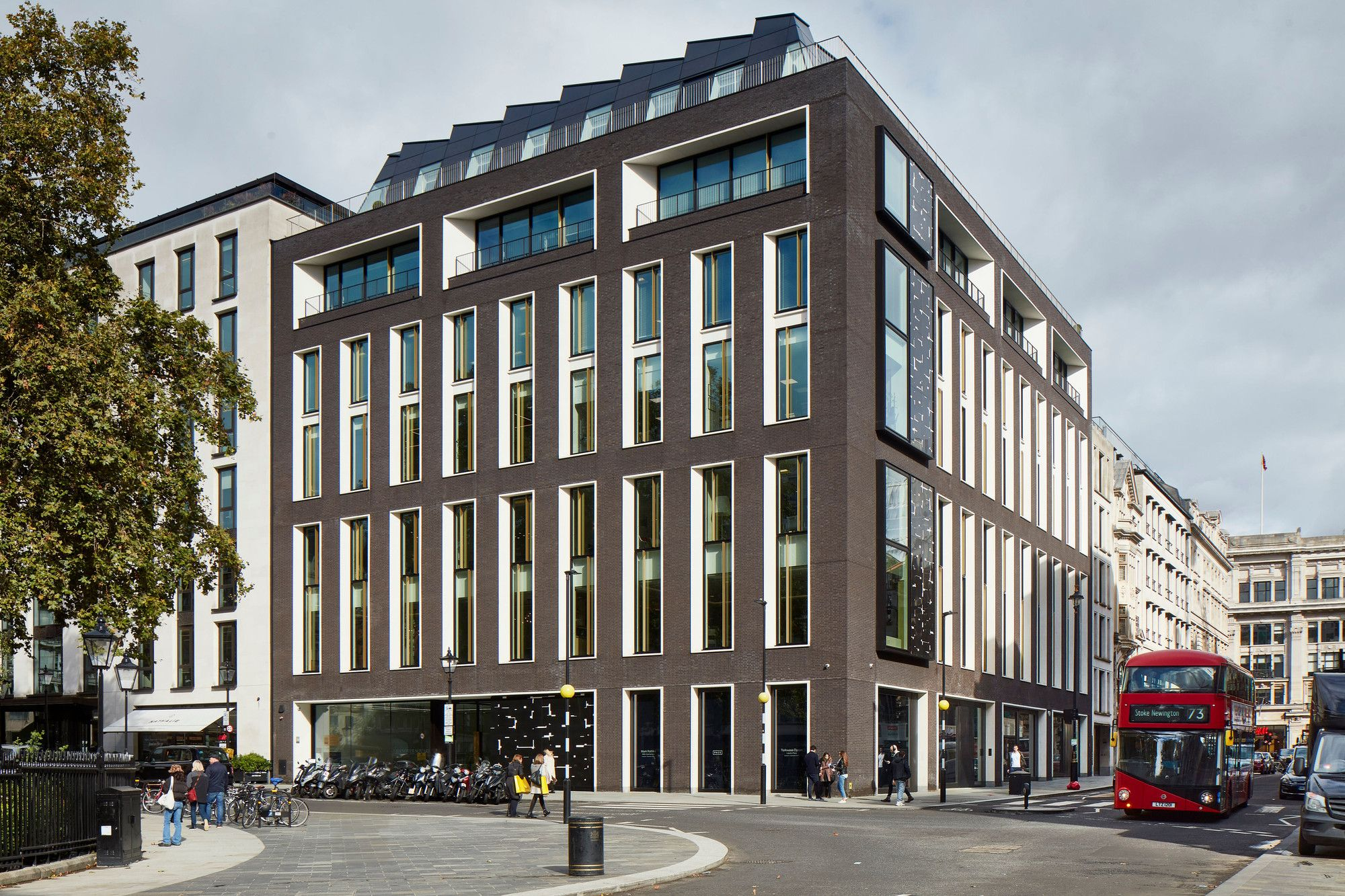
For decades, artists seeking commercial success often pursued gallery representation as the primary route to market. Galleries provided exposure, collector relationships, marketing, and sales expertise.
However, maintaining large artist rosters, physical spaces, international exhibitions, art fairs, and support teams is expensive. As costs increase and collector behaviour evolves, galleries are being forced to reassess how they operate.
The Pace story demonstrates that even major players are looking for more sustainable ways to connect artists with buyers.
Today's collectors don't just discover artists at exhibitions and art fairs.
They discover them through:
Collectors increasingly expect direct access to artists, regular updates, and a deeper understanding of the creative process behind the work they purchase.
Artists who can build these relationships directly are often creating stronger, longer-lasting connections with their audience.
The lesson from this story is not that galleries are disappearing. Far from it. Great galleries continue to play an important role in championing artists and connecting them with collectors. However, artists increasingly need a digital presence that they own and control regardless of whether they are represented by a gallery.
That means having:
In many ways, artists are becoming creative entrepreneurs as well as creators.
One challenge facing artists today is that much of their audience often lives on platforms they do not control.
Algorithms change.
Social media trends shift.
Marketplace rules evolve.
The result can be an artist spending years building an audience only to discover they have limited control over how they reach that audience.
Owning your own digital gallery creates stability.
It gives artists a permanent home for their work and a direct relationship with collectors that isn't dependent on third-party platforms.
LettsArt was built around a simple belief: artists and gallerists should have greater control over their digital future.
Rather than functioning as a marketplace, LettsArt is no-code Art Intelligence software designed to help artists and gallerists build and manage their own online galleries, grow a following, and sell directly to collectors.
With LettsArt you can:
As the art market continues to evolve, artists need tools that provide independence as well as visibility.
The future of the art business is unlikely to be gallery versus digital. Instead, it will be a blend of both. Artists will continue to benefit from exhibitions, representation, collaborations and partnerships. At the same time, they will increasingly build their own direct-to-collector channels and digital communities.
The artists who thrive will be those who combine creative excellence with ownership of their audience and digital presence.
The Pace Gallery story may be about one organisation's restructuring, but it reflects a much broader trend across the art world: artists taking greater control of how their work is shared, discovered and collected.
***************************************************
Not using LettsArt? Why not sign up today? It’s powerful software for artists to show, manage and distribute their art online. Perfect for artists with zero tech skills, our no-code, AI software lets you take control of your online presence and build sustainable success through direct sales.
T o sign up to LettsArt (it’s FREE!) go to www.LettsArt.com .
***************************************************
LettsArt is no-code Art Intelligence software built for artists and gallerists to manage, distribute and sell art directly to collectors.
No. LettsArt is software that allows artists and galleries to build and manage their own online galleries rather than competing inside a shared marketplace.
No. LettsArt is designed to be simple to use with no coding required.
Yes. LettsArt enables direct artist-to-collector relationships and transactions.
LettsArt includes Art Intelligence tools that can assist with artwork descriptions, tagging, gallery content and creative workflows.

