
Beneath Waterloo station, Leake Street Arches is 300 metres of concrete that London handed back to its artists. The tunnel’s modern life begins over one weekend in May 2008, when Banksy staged the “Cans Festival,” inviting stencil artists from around the world to turn a disused service road into a day-glow corridor; ever since, the nickname “Banksy Tunnel” has clung as tightly as the paint. What was once a through-route for the old Eurostar terminal is now pedestrianised, flanked by eight revived railway arches of bars and venues, and anchored by what the operators call “London’s longest legal graffiti wall.”
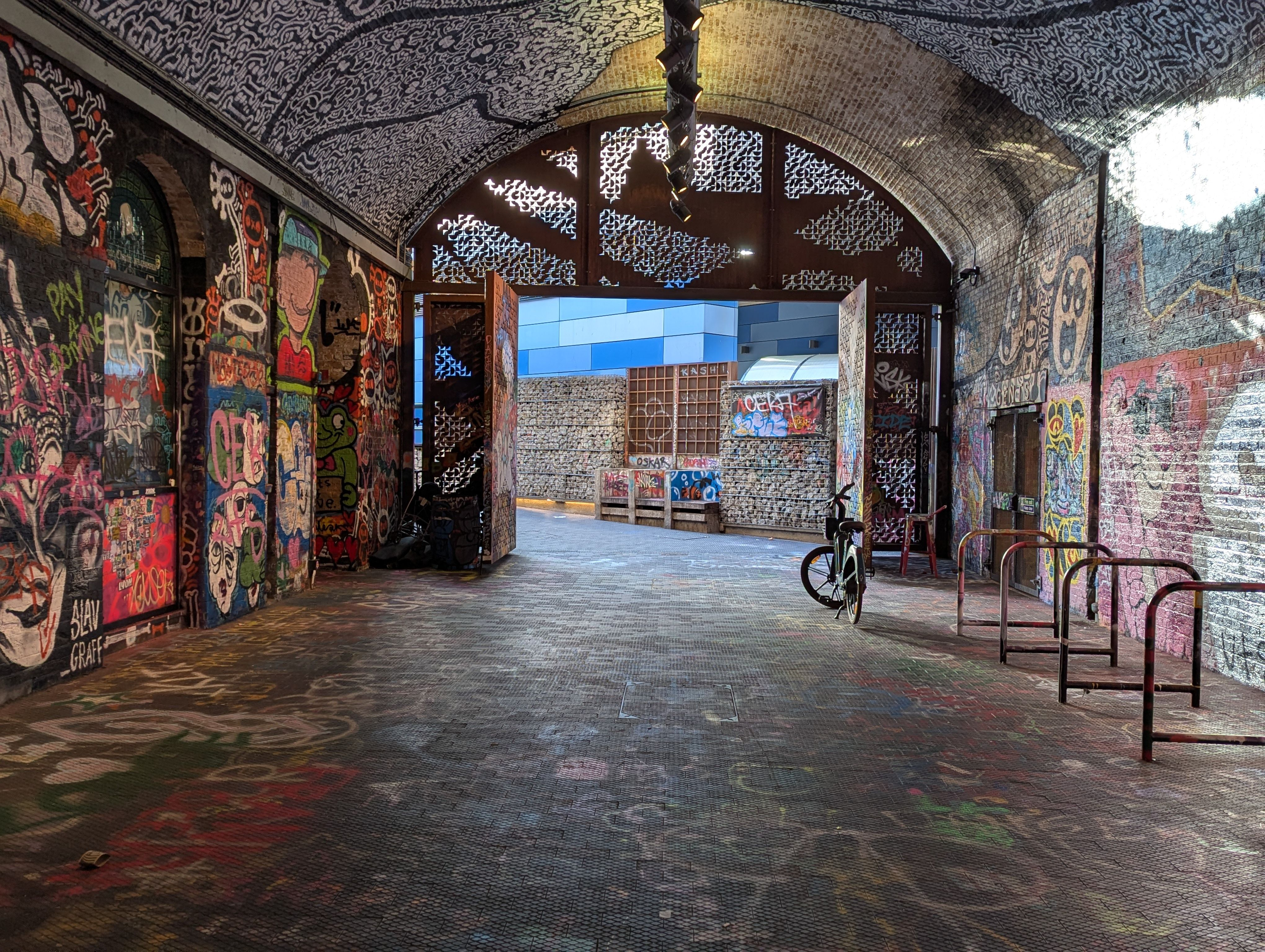
“Legal” matters here. The official rules don’t mince words: graffiti and street art are permitted, and actively encouraged, on the tunnel walls; outside the authorised area, fresh paint is removed. In practice, the etiquette is as old as any crew: don’t cap a piece mid-execution, respect doors and shopfronts, and accept the single iron law of Leake Street - everything is temporary. The tunnel is first-come, first-served, a rolling studio rather than a museum; you can arrive with your cans and find a spot without a booking form or polite emails to anybody. The result is a living surface that turns over faster than most galleries hang a show. Guides to the area warn that what you paint today might be gone tomorrow, and long-running projects have documented just how quickly it changes: one “100 Days of Leake Street” diary tracked ten walls over one hundred consecutive days and found constant repainting, a visual proof of why legal walls matter to the culture.
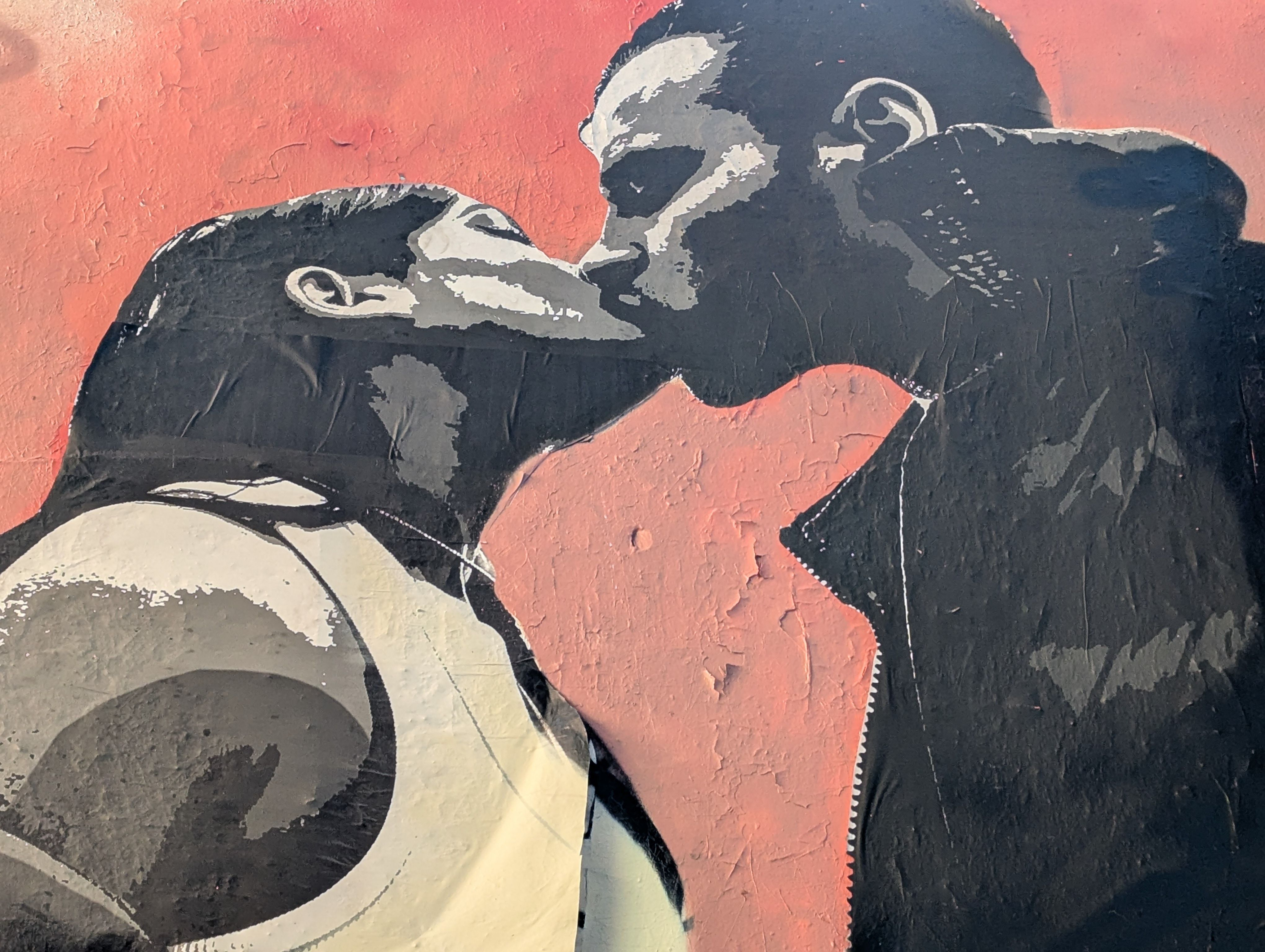
That churn is part of the tunnel’s charge. On weekdays you’ll see outlines going up over yesterday’s fills; weekends can feel like a relay race—sketch, fill, cut, photo, and then it’s someone else’s turn. Visitors treat it like an open gallery; locals treat it like a lab. Workshops run under the arches, and the management explicitly encourages filming and photography provided you keep the paint to the legal zone. The exchange is simple: the city gives the space, the artists give the energy, and nobody complains when a piece becomes an undercoat.
Because the surface turns so fast, the real question isn’t just how to get your work up, but how to keep its story straight once it’s gone. The simplest fix sits in your pocket: shoot progress and finals and park them somewhere that won’t vanish with the next buff. Many Leake Street regulars now keep a clean record - title, crew, date, arch or bay - on their own gallery pages so curators and would-be collectors can see a practice rather than a pile of posts. If you need a tidy, art-first home for that archive (with prices and editions when you want them), a LettsArt gallery does the job without burying your work in a social feed; and if a wall-piece sparks interest, and the soon-to-be-open LettsArt Market is a straightforward way to offer a small run of prints or a panel study without handing control to a reseller. Think black book, but searchable and shareable. (Then get back to the wall.)
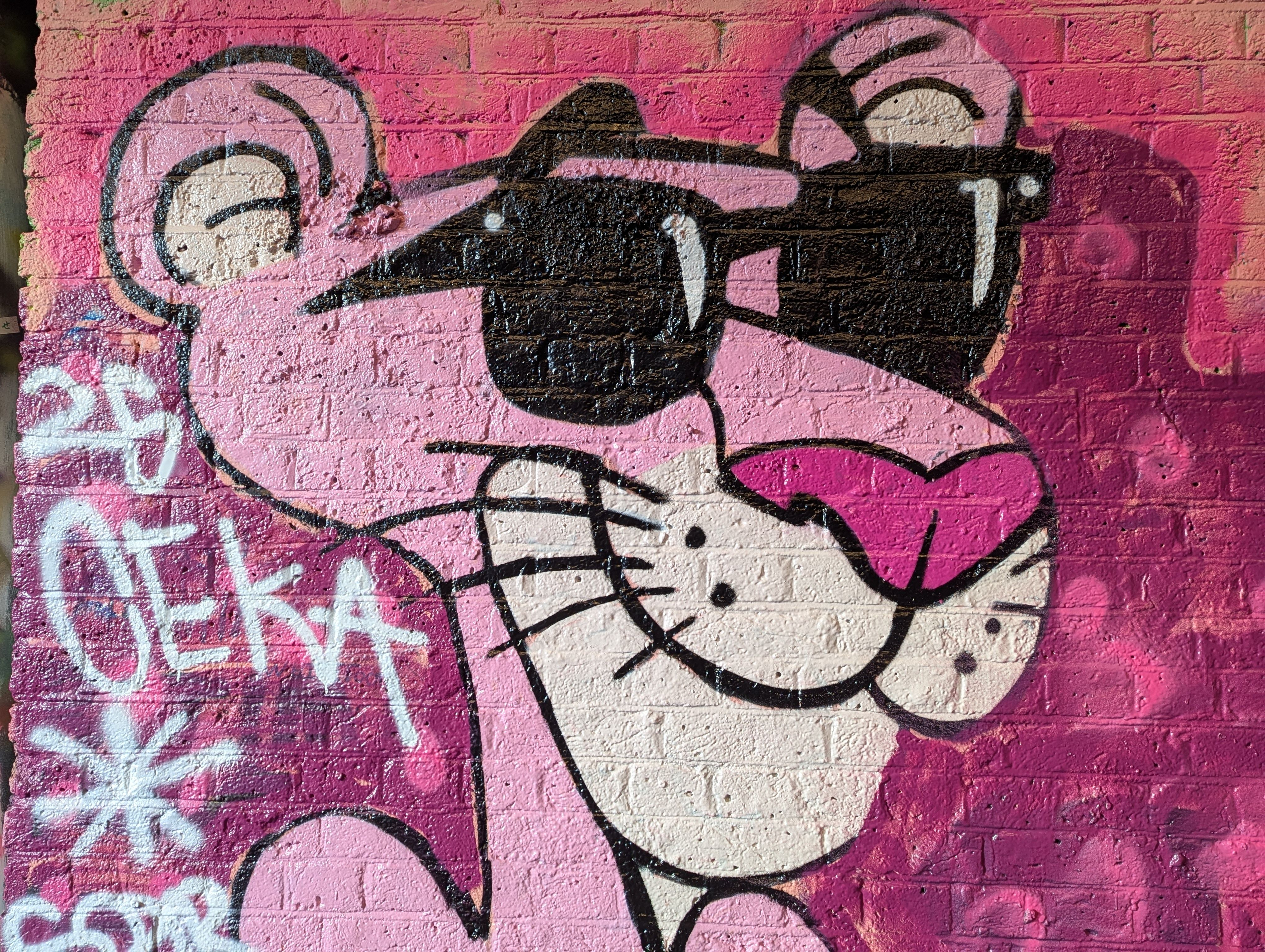
The tunnel’s origin story helps explain why the ephemerality is a feature, not a flaw. Banksy’s Cans Festival was less a single exhibition than a reset of what this space could be: a semi-curated explosion of stencils that proved a forgotten service road could become an open invitation. When Eurostar moved to St Pancras and the vehicular route ceased to matter, pedestrianisation made permanence unnecessary; the walls didn’t need to keep the works to keep the tunnel’s identity. The art could change hourly and the place would remain the same: a public studio lit by camera flashes, train noise and the occasional compressor whine.
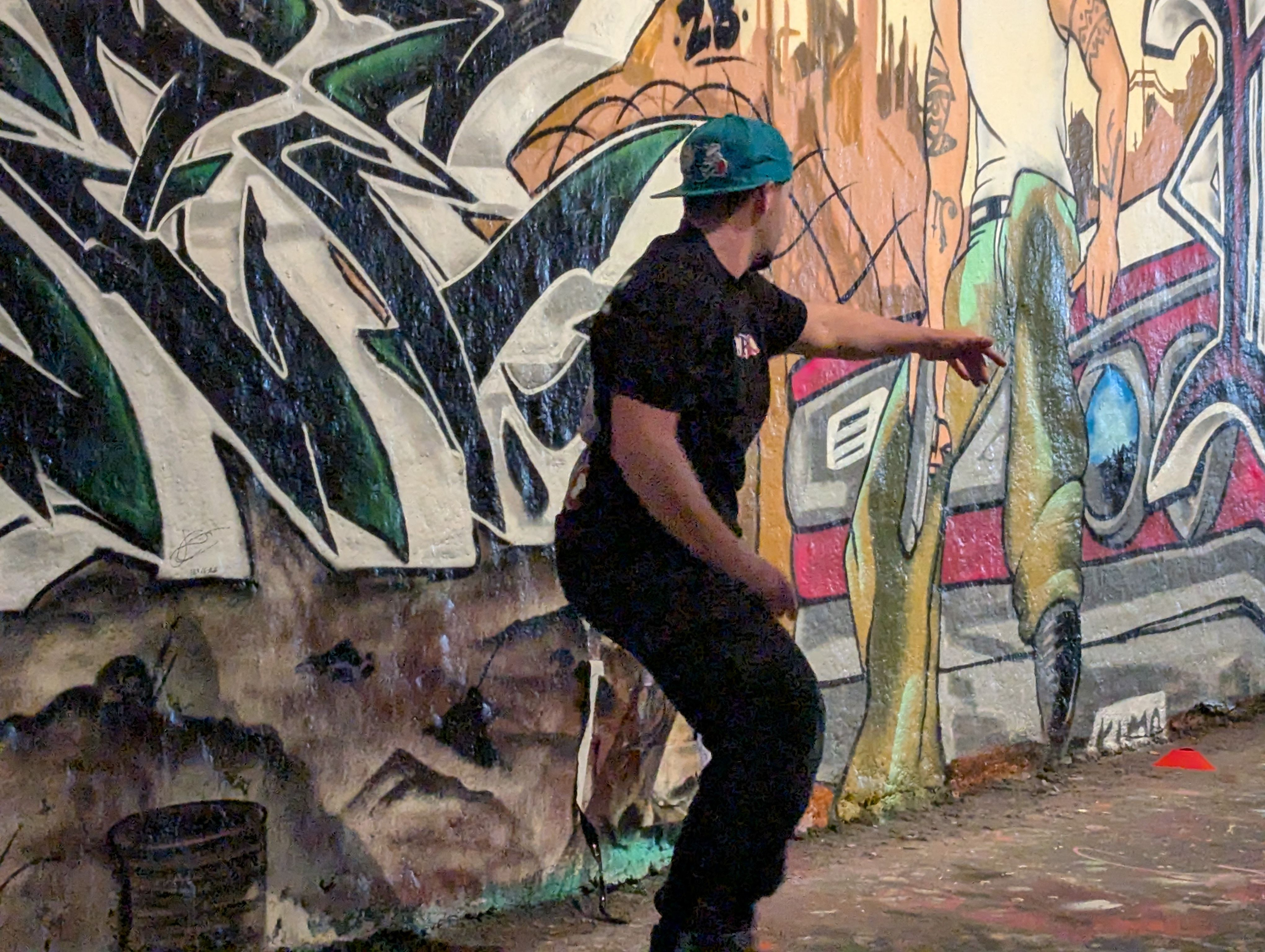
How often are artists “allowed” to paint over what’s there? Always, so long as it’s within the permitted zone. There’s no booking calendar, no curator waving a clipboard, and no romantic guarantees. The South Bank’s own visitor guide puts it bluntly: there are essentially no rules down here “except for the obvious caveat” that someone will inevitably paint over your creation, possibly tomorrow. If that sounds brutal, remember that the constant remix is what keeps Leake Street honest: every writer, from first-timers to visiting legends, shares the same ticking clock. The economy is time and nerve, not gatekeeping.
And that, in the end, is why the tunnel still matters nearly two decades on. It’s a civic compromise that works: a legal space that drains pressure from contested walls elsewhere; a destination that gives London an ever-changing gallery for free; a proving ground where styles iterate in public. You can arrive at noon to a fresh piece and return at dusk to a new one in the same spot, and neither artist has done anything wrong. The wall hasn’t lost a painting; it’s gained a layer. The only way to lose the work is to forget to keep it. So shoot the final, log it cleanly, put the print drop where fans can actually find it, and accept the tunnel’s one true rule: paint with both hands - one on the can, the other on the record. Then come back tomorrow and start again.

