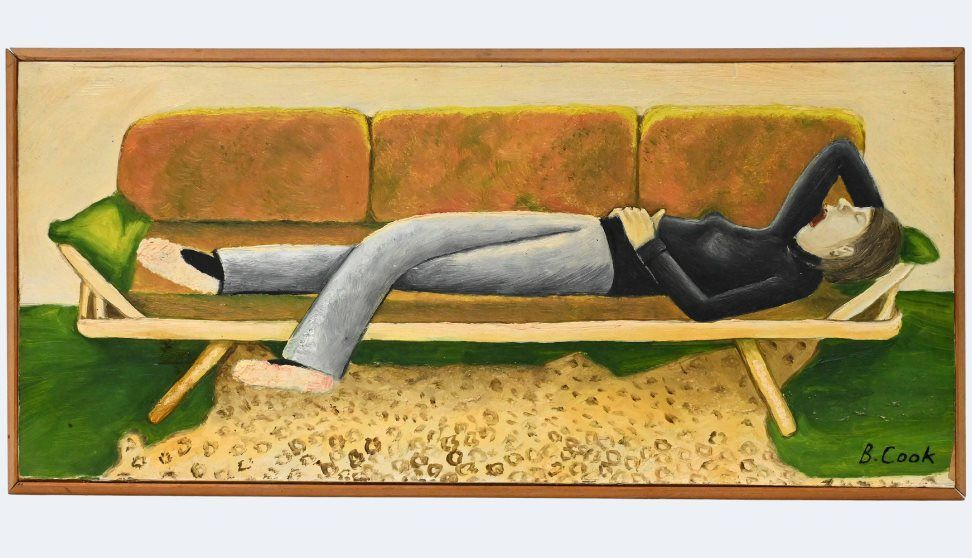
A major exhibition in Plymouth has reignited interest in the work of Beryl Cook , reframing her not as a “popular” or “naïve” painter, but as a serious, culturally important artist whose work captured everyday British life with wit, warmth and humanity. The exhibition, hosted by The Box , has been widely praised for correcting a long-standing imbalance in how Cook’s work has been valued and discussed .
For artists working today, this isn’t just a retrospective. It’s a signal.
For decades, Beryl Cook’s paintings were loved by the public but dismissed by parts of the art establishment. Her work was accessible, figurative, humorous and rooted in everyday experience - qualities that were often framed as reasons not to take her seriously. This new exhibition challenges that thinking head-on, positioning Cook as an artist who documented social life with as much intent and insight as her more critically celebrated peers.
The key themes emerging from the coverage are strikingly relevant to contemporary artists:
Perhaps most importantly, the exhibition shows how fragile artistic reputation can be when it depends on institutions, critics, or trends rather than direct relationships with audiences.
What took decades for Beryl Cook is happening much faster for artists today. Digital tools, direct-to-collector relationships, and artist-led platforms are reshaping how work is discovered, valued and remembered. Artists no longer have to wait for institutional approval to build credibility or reach an audience that genuinely connects with their work.
This is where control matters.
The lesson from Cook’s career isn’t just about recognition - it’s about who gets to decide what art is worth, how it’s framed and how it survives beyond a single moment in time.
At LettsArt, we see this shift every day. Artists and gallerists are increasingly choosing tools that allow them to present their work on their own terms - without relying on algorithms or gatekeepers to define their value.
LettsArt is no-code Art Intelligence software built for artists and gallerists who want to:
Instead of being filtered through third-party platforms, your work lives in a space that reflects you —your practice, your audience, and your long-term vision.
The renewed appreciation of Beryl Cook’s work is uplifting not just because it’s deserved, but because it reflects a broader cultural correction. The art world is slowly, but decisively, recognising that accessibility, emotional connection and independence are strengths - not weaknesses.
For artists working now, the opportunity is clear: build visibility, relationships, and resilience early, rather than waiting for permission later.
Because history shows us this much - art that connects endures. And artists who control their narrative are far harder to overlook.
***************************************************
Not using LettsArt? Why not sign up today? It’s powerful software for artists to show, manage and distribute their art online. Perfect for artists with zero tech skills, our no-code, AI software lets you take control of your online presence and build sustainable success through direct sales.
T o sign up to LettsArt (it’s FREE!) go to www.LettsArt.com .
***************************************************
No. LettsArt is software , not a marketplace. That distinction matters. You’re not listing work alongside thousands of others or competing for algorithmic attention. Instead, you get your own independent online gallery - a space you control, brand and grow yourself, with tools designed specifically for artists and gallerists.
By removing gatekeepers. LettsArt helps artists build direct relationships with collectors and present their work with proper context - statements, series, updates and intent - rather than relying on critics, platforms, or trends to interpret it for them. Your audience follows you , not an algorithm.
Not at all. LettsArt is no-code and artist-friendly. The Art Intelligence features help with things like descriptions, tags, and discovery - but they’re there to support your practice , not replace it. You stay in control of what’s shown, how it’s written and how your work is presented.

