AI is changing the art world. But the most interesting question isn't whether artists will use AI. It's whether artists will have a meaningful say in how AI is designed, developed and applied.
That question sits at the heart of a new initiative from London's Serpentine.
Writing in Vogue Business , Serpentine artistic director Hans Ulrich Obrist argues that creatives need to play an active role in shaping artificial intelligence rather than simply responding to technology created elsewhere. The gallery's new Future Art Ecosystems R&D Fellowship brings artists and technologists together to explore exactly that territory.
The inaugural six-month programme includes artists Alice Bucknell, Reina Mun, Alfredo Salazar-Caro and Auriea Harvey and examines how AI is changing cultural production, institutions and public life. Serpentine describes artists not simply as observers of technological change, but as contributors to it.
It's an important distinction.
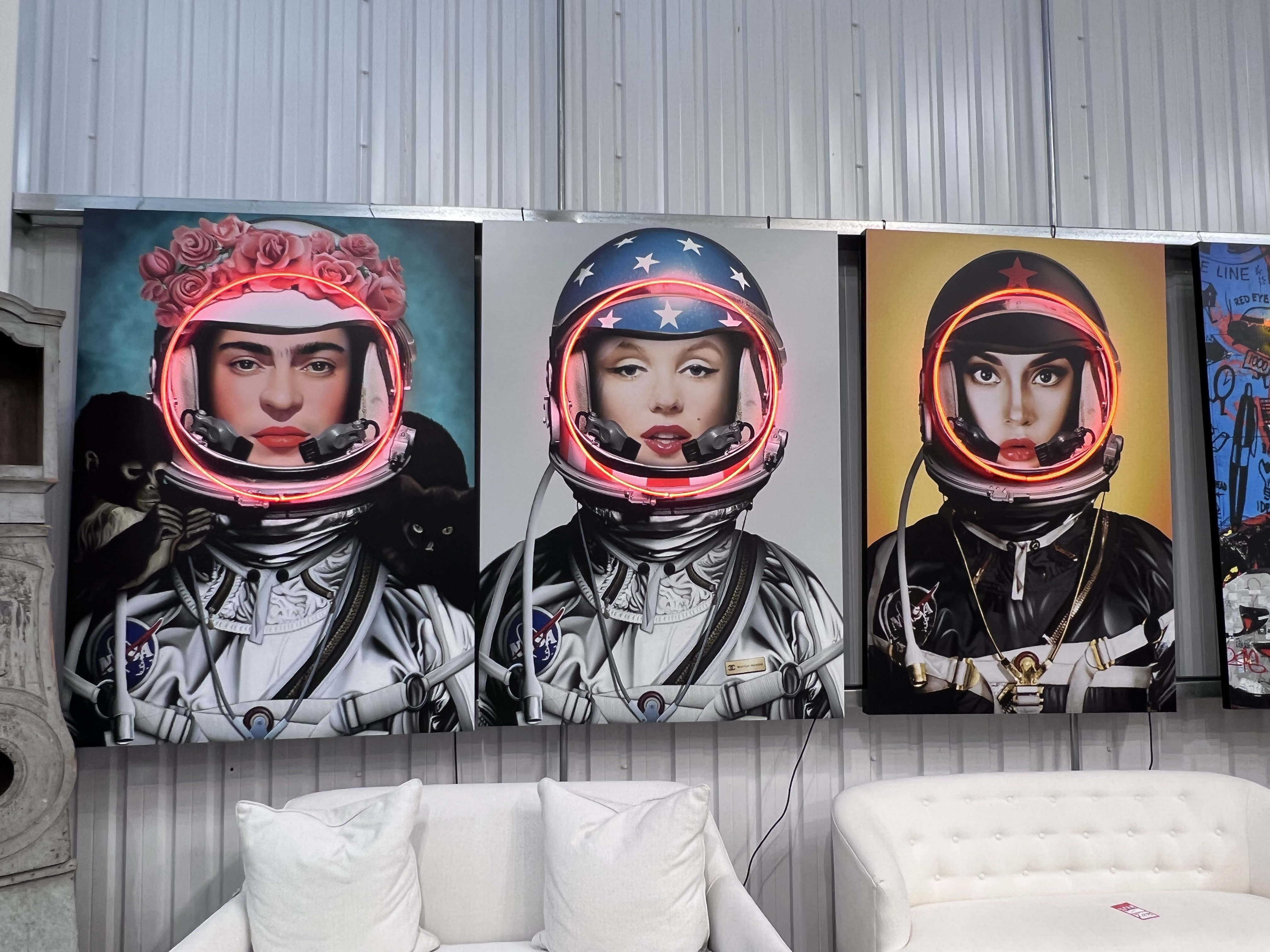
Much of the debate about artificial intelligence and art has focused on generative AI: machines creating images, questions about training data, copyright, authorship and whether technology can compete with human creativity.
Those debates are important. But they can also obscure a much bigger opportunity.
AI doesn't have to mean AI making the art .
It can also mean AI helping artists build stronger, more independent businesses around their art.
That's the distinction we make at LettsArt.
We call it Art Intelligence : technology designed to remove friction around the creative process rather than replace the creativity itself.
An artist might spend hours writing artwork descriptions, organising images, updating a website, creating gallery content, tagging work or administering their online presence. None of those jobs is why most people become artists.
Using intelligent software to simplify them can give creators more time for the work that only they can do.
The Serpentine fellowship is also exploring some of the harder questions around ownership, authorship and accountability as AI becomes embedded in culture. For independent artists and gallerists, these aren't abstract questions.
They lead to some very practical ones:
Technology can increase an artist's independence or reduce it.
A marketplace can provide access to an audience, for example, but the marketplace largely controls the customer experience. Social media can deliver reach, but an algorithm determines who sees what you publish. An artist-owned online presence starts from a different principle: your art, your identity, your audience and your business.
That's why LettsArt isn't an art marketplace. It's no-code Art Intelligence software built for artists and gallerists who want their own digital gallery and the tools to manage, distribute and sell work directly to collectors. Technology does the heavy lifting. The artist stays in control.
The future of AI and art may involve some very big questions, but you don't have to wait for all the answers before improving how you use technology today.
1. Decide what you don't want AI to do
Start with boundaries. You may be perfectly happy for AI to suggest tags or improve an artwork description while drawing a clear line at generating the work itself. There is no single correct answer. The important thing is that you decide .
2. Use AI for the jobs that steal creative time
Look at the repetitive parts of running your art business: descriptions, administration, categorisation, website updates and content preparation. Those are often much better candidates for automation than the creative process itself.
3. Build somewhere you control
Social networks are excellent discovery channels, but they shouldn't necessarily be the headquarters of your art business. Give collectors somewhere they can discover your complete body of work, understand your story and follow you directly.
4. Strengthen your direct collector relationships
A follower isn't necessarily a relationship. Encourage people who discover you through exhibitions, Instagram or other channels to connect with your own gallery so you can build a longer-term audience.
5. Experiment, but stay curious
AI tools are developing quickly. Try them. Question them. Keep the ones that genuinely make your practice or business easier. You don't have to become an AI expert. You simply need to remain the person making the decisions.
The same opportunity exists for independent galleries. Art Intelligence can reduce the administrative workload around cataloguing work, creating digital content and maintaining an online gallery while allowing the gallerist to concentrate on something technology struggles to replicate: taste, judgement, relationships and curation . AI can assist the gallery, it doesn't have to become the gallery.
Serpentine's new fellowship is based on the idea that technology shouldn't simply arrive in the cultural world fully formed. Artists should participate in the conversation about what it becomes. That's a principle worth extending beyond galleries and research institutions. Individual artists can make the same choice. Instead of asking "What is AI going to do to art?" , perhaps the more useful question is "What could intelligent technology do for artists?"
Give creators better tools.
Remove unnecessary administration.
Help them build direct relationships with collectors.
Give them greater control over their digital identity and business.
And leave the most important part to the artist.
The art.
That's LettsArt.
***************************************************
Not using LettsArt? Why not sign up today? It’s powerful software for artists to show, manage and distribute their art online. Perfect for artists with zero tech skills, our no-code, AI software lets you take control of your online presence and build sustainable success through direct sales.
To sign up to LettsArt (it’s FREE!) go to www.LettsArt.com .
***************************************************
Art Intelligence is LettsArt's approach to applying AI to the practical needs of artists and gallerists. It can help simplify tasks around presenting, organising and managing art online while leaving creative decisions with the artist.
No. LettsArt uses intelligent technology as an enabling tool. The aim is to reduce administration and make running an online art business easier, not replace human creativity.
No. LettsArt is software for artists and gallerists. It allows you to create your own online gallery and build direct relationships with collectors rather than relying solely on a marketplace.
Yes. You don't need technical or coding skills. LettsArt is designed as no-code software, so artists and gallerists can use its tools without becoming technology experts.
AI can help with repetitive business tasks such as creating artwork descriptions, organising information, generating tags and supporting digital content. The goal is simple: spend less time administering your art business and more time creating and connecting with collectors.

