The BBC’s The Big Deal with Steph McGovern has brought art dealing into prime-time television. Contestants compete to sell contemporary art, negotiate commissions and generate profits, turning the business of art into entertainment.
But behind the TV format sits a serious question: when does selling art start to overshadow the art itself?
Writing in The Art Newspaper , Scott Reyburn argues that The Big Deal reflects a wider trend towards the commodification of contemporary art: judging artworks increasingly through price, profit and investment potential rather than the ideas, creativity and stories behind them.
For independent artists and gallerists, however, commercial success and artistic integrity do not have to be opposites.
The opportunity is to build an art business where the artist, the artwork and the collector relationship remain at the centre.
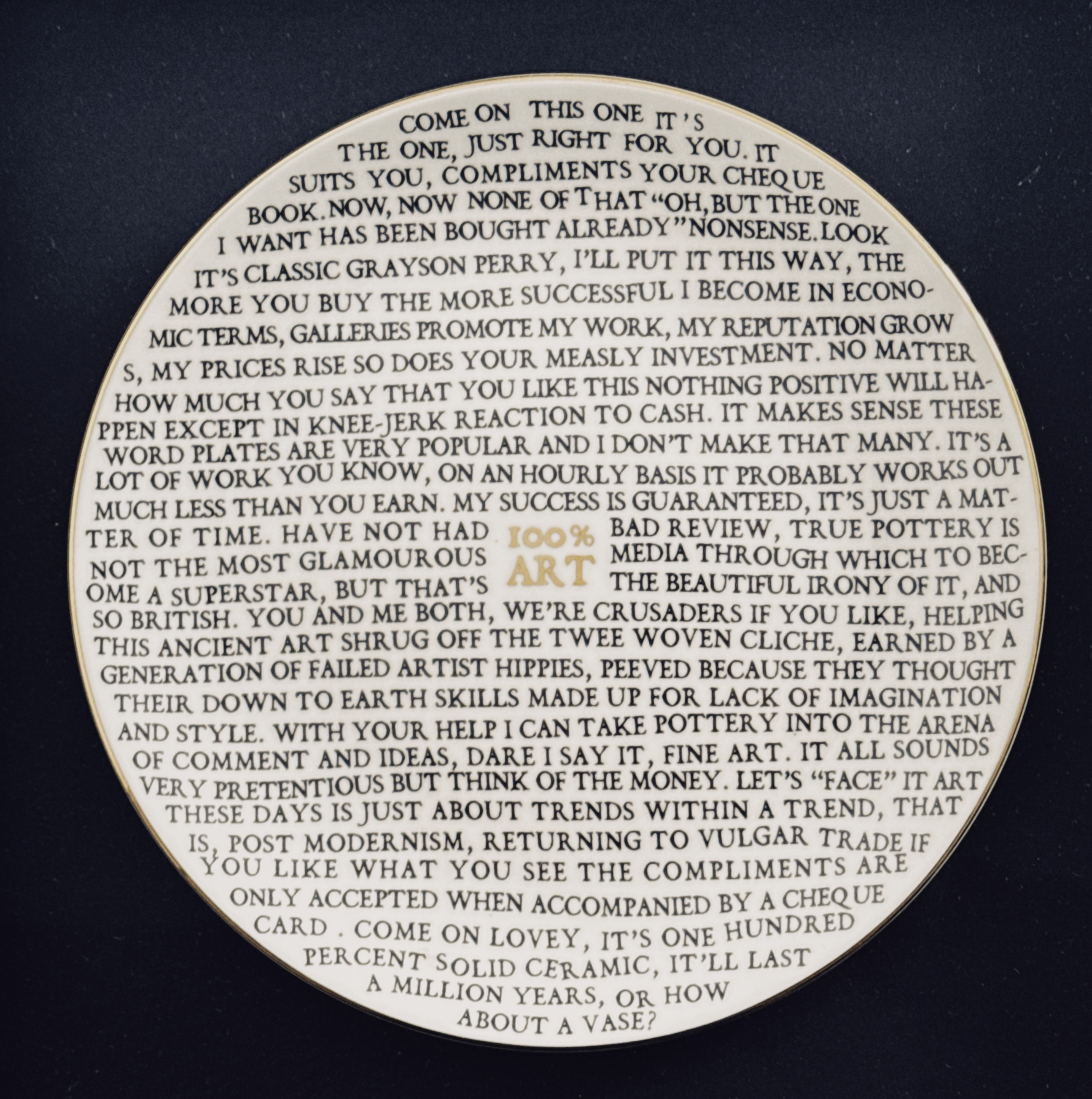
Price has always been part of the art world. Artists need to earn a living. Galleries need sustainable businesses. Collectors need confidence in what they are buying. The danger comes when price becomes the only story.
The Art Newspaper highlights the financial pressures currently facing contemporary galleries and points to calls for greater price transparency, stronger local markets and different approaches to selling art. It also raises a fascinating question about algorithms: are digital systems helping people discover what they genuinely like, or simply showing them more of what already sells?
That distinction matters.
Independent artists can easily find themselves caught between two extremes: ignoring the commercial side altogether or allowing decisions about their work to be driven entirely by what appears most marketable.
There is another route.
For an emerging artist, value rarely begins with a number on a price tag. It begins with context.
Who are you? Why do you make this work? What ideas sit behind it? How does one artwork relate to another? What makes your perspective distinctive?
Collectors who understand those things have a reason to follow an artist rather than simply buy an isolated object.
That relationship can develop over months or years.
An artist might first be discovered through a social post, then followed online, then remembered after seeing another piece and eventually bought from when the right artwork appears.
That is why building an audience is so important.
Your website or online gallery should not simply behave like a catalogue. It should help people understand your practice.
Every artwork has information around it that can increase both understanding and discoverability.
At a minimum, consider including:
An artwork described properly has a better chance of being discovered by someone searching for exactly that kind of work.
Pricing art is difficult precisely because there is no simple formula. But consistency helps.
Look at factors such as size, medium, complexity, production cost, experience and previous sales. Similar works within a collection should generally have a pricing logic that a collector can understand.
Avoid wildly increasing a price simply because you think a buyer might pay it. At the same time, do not assume that lower prices automatically make work easier to sell. Very low prices can sometimes undermine perceived value.
The objective is not to find the highest possible price - it is to establish a credible price that can grow alongside your reputation and collector base.
Traditional galleries can play an enormously valuable role. Good galleries provide expertise, advocacy, credibility, networks and access to collectors. But artists no longer need to make them the only route to market. Digital platforms give artists the ability to develop their own audience alongside gallery relationships.
That means collecting email subscribers, sharing new work, creating collections, explaining the thinking behind your practice and allowing potential collectors to communicate directly with you.
This is one of the ideas behind LettsArt.
LettsArt enables artists and independent gallerists to create their own online galleries, showcase their work and build direct relationships with collectors. Rather than operating as a marketplace where the platform becomes the destination, the aim is to help artists build a digital presence that belongs to them.
The artist remains the brand.
There is another important warning in The Art Newspaper article. Algorithms are extraordinarily good at identifying patterns in what people already like. But if every creative decision follows those patterns, culture risks becoming increasingly similar. For artists, that creates an interesting paradox. Digital tools can help with promotion, administration, analysis and discovery. AI can make many parts of running an art business faster, but an artist's greatest competitive advantage may increasingly be the part that cannot easily be optimised: their point of view .
Use technology to help people discover your work. Don't allow technology to decide what your work should be.
1. Review your artwork descriptions.
Look at five works in your online gallery. Would someone who had never met you understand what makes them interesting?
2. Explain your pricing.
You don't need to publish a mathematical formula, but make sure there is consistency between similar works.
3. Add context.
Create a short description of the thinking, process or story behind each important artwork.
4. Start collecting an audience.
Encourage visitors to follow your work or join your mailing list rather than relying entirely on social algorithms.
5. Create collections, not just listings.
Group related artworks together. Collections help collectors understand the development of your ideas and make your gallery easier to explore.
Selling art is not something artists should be embarrassed about.
A sustainable artistic practice requires income.
But there is a difference between building a successful art business and turning art into nothing more than a tradeable commodity.
The strongest independent artists can do both sides well: create distinctive work and build a professional infrastructure around it.
Technology should make that easier.
The goal isn't simply to make a deal.
It's to create enough understanding, connection and trust that somebody wants to own the art in the first place.
LettsArt is a digital platform designed to help artists and independent gallerists show, share and sell their art online while retaining control over their own identity and collector relationships.
No. LettsArt is designed around artist-owned galleries rather than a central marketplace. Artists create their own digital gallery and build their own audience.
Yes. Artists can present their work online and create a direct route for collectors interested in buying it.
Use clear artwork titles, detailed descriptions, artist information, collection pages and relevant information about medium, subject, style and process. This provides useful context for visitors as well as search engines and AI-powered discovery tools.
There is no universal rule, but transparent pricing can remove uncertainty for potential buyers. If you choose not to display a price, make the enquiry process simple.
Start with a consistent structure based on factors such as size, medium, production cost, experience and previous sales. Pricing should evolve gradually as your market and collector base develop.
Absolutely. Direct selling and gallery representation do not need to be competing models. Many artists can benefit from developing their own collector audience while also working with galleries, agents or other partners.

